


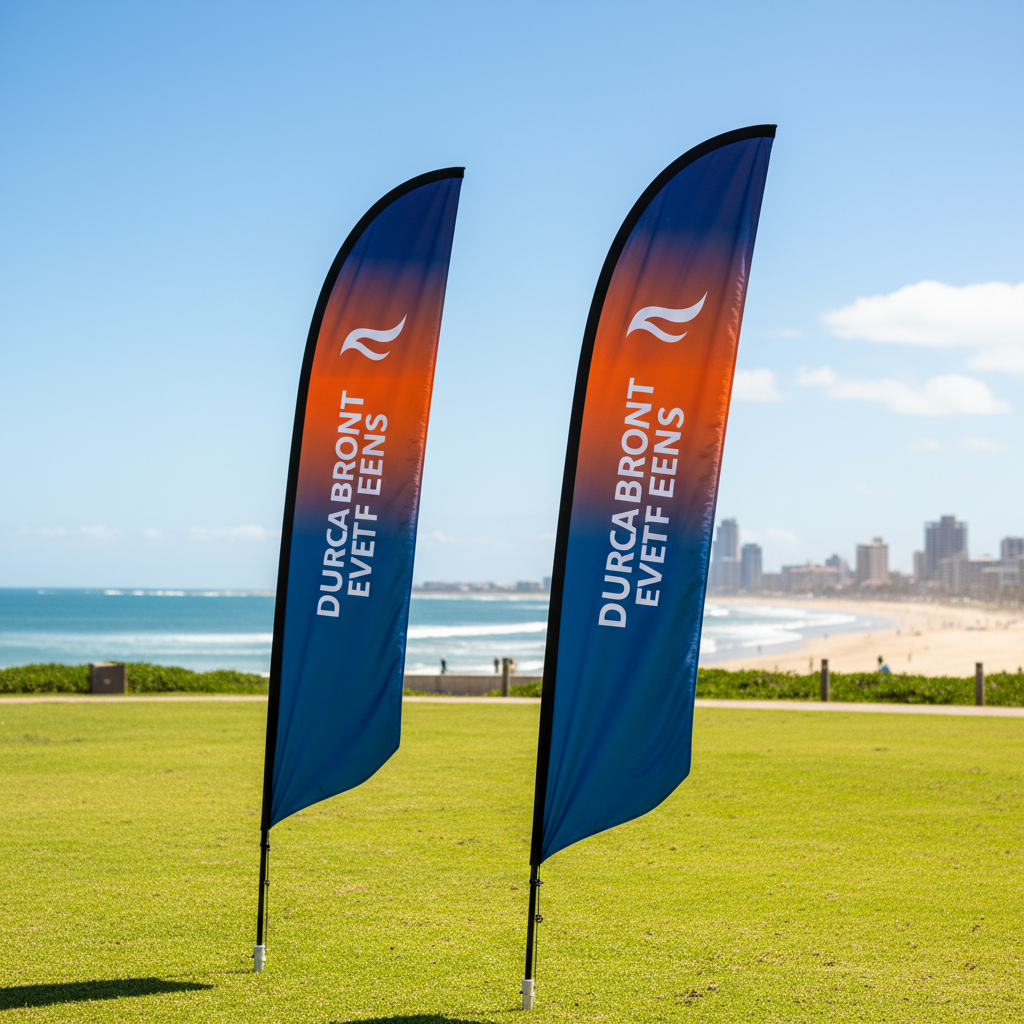
Choosing the best fabric for teardrop flags is a critical decision for any business investment in outdoor branding. Whether you are setting up a storefront display in the windy coastal corridors of Durban or a promotional event in the high-altitude sun of Johannesburg, the material you select determines the longevity, vibrancy, and professional appearance of your signage. Teardrop flags are unique because they are constantly under tension and subjected to varying wind loads, which means that standard textiles often fall short. To achieve the best results, one must understand the intersection of textile science, printing technology, and environmental resistance.
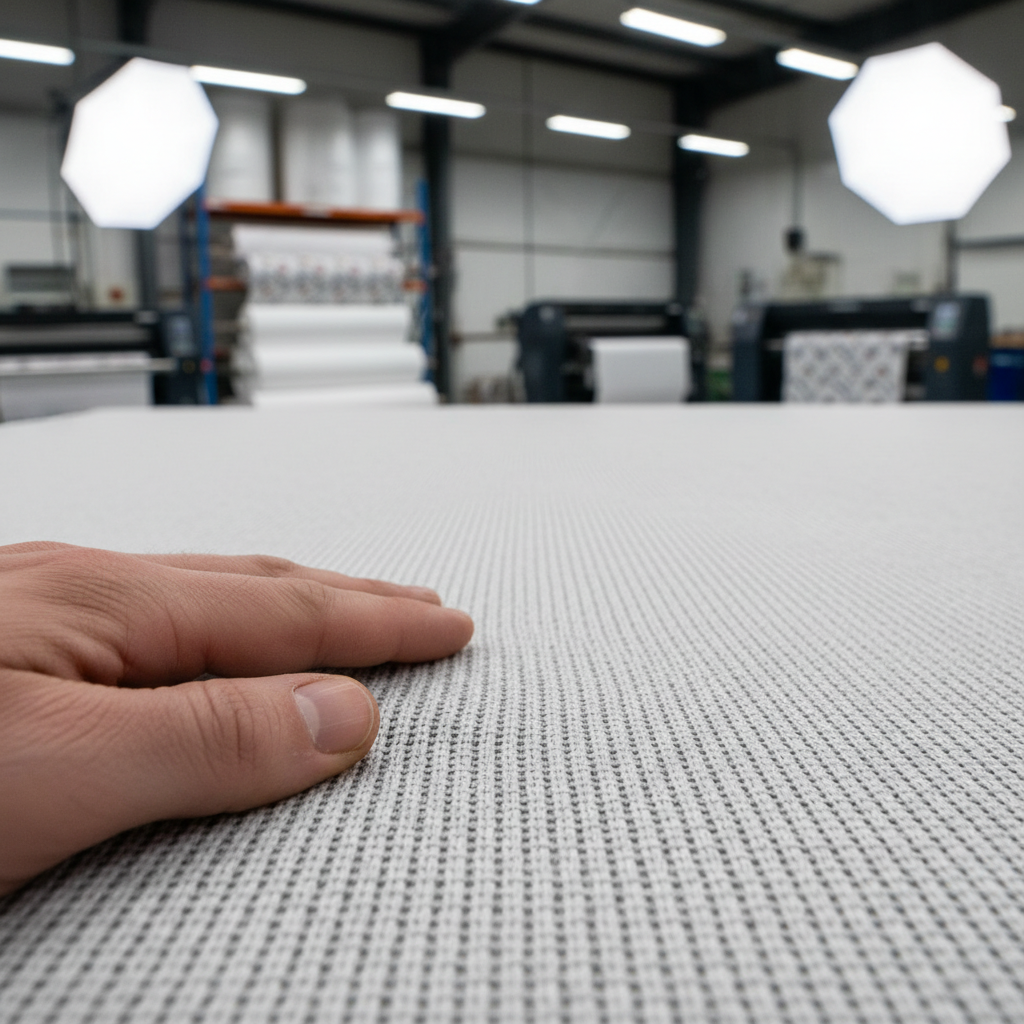
Why Fabric Choice is the Most Important Factor for Your Teardrop Flag
The performance of an outdoor banner depends almost entirely on the substrate. For teardrop flags, the fabric must be flexible enough to conform to the curved fiberglass or aluminum pole while remaining taut enough to display the brand message clearly. If the fabric is too heavy, the flag will sag and lose its iconic shape. If it is too light or poorly constructed, it will succumb to the whip effect, where the trailing edge of the flag flutters violently in the breeze, leading to rapid fraying.
Beyond structural integrity, the fabric choice impacts color reproduction. When using premium dye-sublimation flag textiles Durban businesses prefer, the ink must penetrate deep into the fibers to ensure a brilliant “show-through” on the reverse side. Without the correct fabric density and coating, your message may appear washed out or only visible from one direction, significantly reducing the effectiveness of your outdoor branding efforts.
Top Contenders: Powerflag vs. Standard Flag Fabric
In the world of large format printing, not all polyester is created equal. Understanding the difference between high-performance materials and standard options can save your business significant replacement costs over time.
Powerflag: The High-Tenacity Leader for High-Wind Areas
When searching for the best fabric for teardrop flags, Powerflag often emerges as the gold standard. This is a high-tenacity powerflag material South Africa suppliers recommend for its superior strength-to-weight ratio. Unlike standard weaves, Powerflag features a reinforced structure that resists tearing and stretching. It is specifically engineered to withstand the mechanical stress of being pulled over a curved frame, making it the ideal choice for semi-permanent outdoor installations or events in gusty environments.
Air Mesh and Warp-Knit Polyester: Lightweight and Breathable Options
Another excellent contender is specialized airmesh for beach banners. Air mesh features small, microscopic perforations that allow wind to pass directly through the fabric. This reduces the wind load on the pole, preventing the hardware from snapping or the flag from “sailing” uncontrollably. Standard warp-knit polyester, while common, is best suited for indoor applications or short-term promotions where wind exposure is minimal.
Technical Specs: What Makes a Fabric Best for Sublimation?
Dye-sublimation is the preferred method for printing flag media because it bonds the ink to the polyester fibers at a molecular level. To achieve a professional finish, the best fabric for teardrop flags should meet several technical criteria:
- Weight: The ideal weight for most teardrop banners is between 110gsm and 130gsm. This provides enough substance for durability while remaining light enough to catch the wind.
- Warp-Knit Construction: Unlike woven fabrics, warp-knit polyester does not unravel easily when cut, which is essential for maintaining the clean edges of a teardrop shape.
- Pre-Treatment: Premium fabrics are pre-treated to accept sublimation inks, ensuring that the colors stay vivid and do not bleed during the heat press process.
- Show-Through Percentage: For single-sided prints, you want a fabric that offers at least 80 percent to 90 percent show-through, allowing the image to be mirrored clearly on the back.
The South African Climate Factor: UV Resistance and Salt Air Durability
Our local climate presents unique challenges for outdoor signage. In areas like Durban and Cape Town, salt-laden air can be corrosive, while the intense UV radiation in Johannesburg can cause colors to fade within weeks if the wrong materials are used. UV-resistant printable flag media Johannesburg signage companies utilize is treated with specific coatings that deflect harmful rays, preserving the chemical bond of the ink.
Reinforced polyester for wind-resistant signage is also necessary to combat the sudden thunderstorms and high-velocity winds common in the interior. Using a fabric designed for these conditions ensures that your investment continues to represent your brand professionally for months or even years, rather than just weeks.
How to Prevent Fraying and Fading on Teardrop Banners
Fraying is the number one cause of flag failure. It typically begins at the “tally” or the bottom trailing corner of the flag. To prevent this, choosing a lightweight warp-knit polyester for promotional flags is step one, as these fabrics are inherently more resistant to run-backs than traditional weaves. Furthermore, ensuring the flag is finished with high-quality double-stitched hems using UV-stable thread will significantly extend its lifespan.
To prevent fading, always use high-quality inks like Roland Ink or original Eco-solvent Ink during the production phase. These inks, combined with the correct sublimation fabric, create a finish that is much more resistant to the harsh South African sun compared to generic alternatives.
Comparing Dye-Sublimation vs. Direct Printing on Flag Textiles
While direct printing onto fabric is possible, dye-sublimation remains the superior choice for teardrop flags. In dye-sublimation, the ink turns into a gas and permeates the fabric, becoming part of the material itself. This means the print cannot crack, peel, or wash off. In contrast, direct-to-fabric printing often sits on top of the fibers, making it more susceptible to mechanical wear and weather-related degradation.
For those requiring double-sided banners, mesh fabric for double-sided flag printing is often used. This involves printing two separate pieces of fabric and sewing an opaque block-out layer between them, ensuring that the text reads correctly from both sides without any ghosting effects.
Where to Buy Premium Flag Media in Durban, Johannesburg, and Cape Town
Hitech Graphics provides a comprehensive range of high-performance printable fabrics and display systems designed specifically for the South African market. Whether you need bulk rolls of flag fabric or the latest dye-sublimation machines, our branches are stocked with industry-leading solutions.
We offer everything from Economy Pull Up banners to advanced Powerflag materials, ensuring that large-format printers and signage businesses have access to the best supplies available. Our technical teams in Durban, Johannesburg, and Cape Town are ready to assist you in selecting the perfect substrate for your specific project requirements.
Conclusion
Investing in the best fabric for teardrop flags is an investment in your brand visibility. By choosing high-tenacity materials like Powerflag or breathable options like air mesh, you ensure that your promotional efforts are not thwarted by wind, sun, or wear. Proper material selection, combined with quality ink and printing techniques, results in signage that stands tall and stays vibrant in any weather condition.
Are you looking to upgrade your outdoor branding or need high-quality consumables for your printing business? Contact Hitech Graphics today to learn more about our range of printable fabrics, inks, and large format machines.
Durban: (031) 303 5090 | 1277 Umgeni Road, Stamford Hill
Johannesburg: (011) 024 0466 | 687 Old Pretoria Main Road, Midrand
Cape Town: 060 973 6696 | 52 Paarden Eiland Road, Paarden Eiland
Email: sales@hitechgraphics.co.za
Related Articles

